How to Choose a Brand Name That Works in Arabic and English

A good brand name is easy to say out loud, easy to type into Instagram, and still free to use. Meaning matters less than you think. Availability and sound matter more.
Naming is the branding step people rush the most and regret the longest. You pick something at 2 a.m. with your co-founder, print 500 business cards, and three months later realize nobody can spell it, the Instagram handle is taken, and it sounds strange when your sales rep says it on the phone.
Choosing a brand name properly takes four steps: decide what the name needs to do, generate lots of options, filter hard for sound and spelling in both Arabic and English, and check availability before anyone gets emotionally attached. The name is the foundation for the rest of your identity, which is why naming is often the first stage of our branding work.
Here's what this covers:
- What a brand name actually needs to do
- Types of brand names
- How to brainstorm without getting stuck
- The Arabic and English test
- Availability checks before you commit
- How to decide between finalists
- Common naming mistakes
- Where to start
What a brand name actually needs to do

A name doesn't have to explain your business. Plenty of strong brands have names that mean nothing at first. What a name has to do is simpler and harder.
It has to be easy to say, so people can recommend you out loud. It has to be easy to spell, so they can find you after hearing it. It has to be distinct from competitors, so you're not confused with them. It has to be available, legally and online. And it has to leave room to grow, so you don't call yourself "Maadi Bakery" and then open in Sheikh Zayed.
Before brainstorming, write down three to five words that describe the feeling you want. Warm, quick, premium, playful, trustworthy. Those words become your filter.
Types of brand names

Most names fall into one of a few types, and knowing them pushes your brainstorm in more directions.
- Descriptive: says what you do. Clear, but often hard to protect and easy to confuse with others.
- Suggestive: hints at a benefit or feeling without spelling it out. Often the sweet spot.
- Invented: a made-up word. Highly ownable, but needs more marketing to give it meaning.
- Founder or personal names: common for clinics, law firms and fashion designers. Personal and trustworthy, but harder to sell later.
- Arabic words or expressions: can feel warm and local, and stand out in a market full of English names.
- Compound or blended: two words joined into one.
None is automatically better. A descriptive name might be perfect for a local service, while an invented one suits a brand planning to expand across the region.
How to brainstorm without getting stuck

Quantity first, judgment later. Aim for 50 to 100 rough options before you start crossing anything out.
Some starting points: words related to the feeling you want, metaphors from nature or Egyptian culture, words from Arabic that sound good in English too, short verbs, names of places or old trades, and invented combinations of syllables. Say each one out loud. Write the Arabic spelling next to it.
Involve a few people, but not everyone. Too many voices in the early stage kill anything unusual before it has a chance.
The Arabic and English test

This is where Egyptian brands have a specific challenge, and where many names fail.
Say the name in Egyptian Arabic. Does it sound natural, or awkward? Does it accidentally mean something odd or rude in colloquial Arabic? Ask a few people from different ages and backgrounds, because slang changes fast.
Write it in Arabic. Is there one obvious spelling, or three? If customers will search for you in Arabic, you want them to find you on the first try.
Write it in English. Is the spelling obvious from hearing it? Names with letters like ق, ع or ح often get spelled five different ways in Latin letters, and in Franco-Arabic too.
Then imagine the call. A customer phones and says your name, the moderator answers on WhatsApp, a delivery driver reads it on a label. If it survives all three, you're in good shape.
Availability checks before you commit
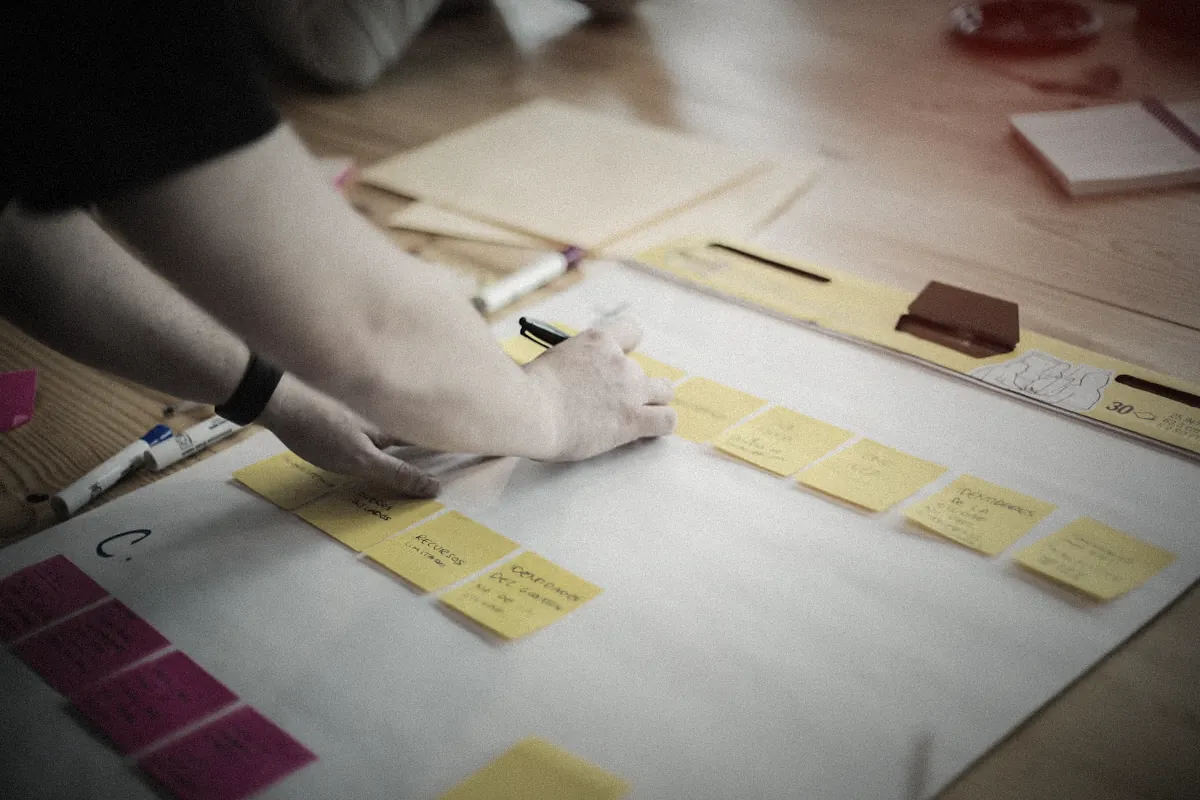
Run these checks on your shortlist, not just your favorite. It's painful to lose a name you've already fallen for.
- Search the name on Instagram, TikTok and Facebook. Is the handle free, or at least a clean variation?
- Check the domain. A .com is nice, a .com.eg or .eg can work well for a local business.
- Google it, in both scripts. What comes up? Is a competitor or something embarrassing ranking for it?
- Search the trademark register for your category. A trademark lawyer can do this properly and is worth the fee before a big launch.
- Check the commercial register if you're forming a company, since the legal name has to be approved separately.
- Look at your direct competitors. Is anyone using something close enough to confuse customers?
How to decide between finalists
When you're down to three or four names, stop debating and start testing.
Put each name on a mock Instagram profile, a shop sign and a product label. Say it in a sentence: "Have you tried ___?" Ask a few people from your target audience which one they remember the next day. Memory is a better test than "which do you like."
Then check the finalists against your original feeling words. If the most memorable name also fits the feeling, you're done. If not, memorable usually wins.
Once you pick, the next step is building the look around it. Our brand identity design guide shows which pieces come next, and if you're unsure what branding covers beyond a name and logo, start with our explainer on what branding is.
Common naming mistakes
Choosing a name that only works in one city or one product. You'll outgrow it.
Using trendy spellings with missing vowels or doubled letters. They age fast and are hard to search.
Picking something too close to a big brand. It might feel like borrowed credibility, but it invites legal trouble and makes you look like a copy.
Skipping the trademark search. Rebranding after a legal letter is expensive. Our article on when to rebrand covers what that process costs in time and effort.
Waiting for the perfect name. There isn't one. A good, available name that you commit to and use consistently will beat a perfect one you never find.
Where to start
This week, write your feeling words, list 50 rough names, and say every one of them out loud in Arabic and English. Cut anything hard to say or spell. Run availability checks on the top ten.
If you'd like help naming and then building the identity around it, take a look at our branding service, or send us your shortlist through the contact page and tell us what you're trying to say.
How do I choose a good brand name?
Define what you want the name to signal, brainstorm widely, shortlist names that are easy to say and spell, then check handles, domains and trademarks before you fall in love with one.
Should my brand name be Arabic or English?
It depends on your audience. Many Egyptian brands pick a name that works in both, or an English name with a clear Arabic spelling customers will actually use.
How long should a brand name be?
Short is easier, but clarity beats length. One to three syllables is a comfortable range for most consumer brands.
How do I check if a brand name is available?
Search Instagram, TikTok and Facebook handles, check the domain, Google it, and run a trademark search in your category before you print anything.
Need this thinking for your brand?
Get a quote