What Is Media Buying? A Plain Explanation for Egyptian Businesses
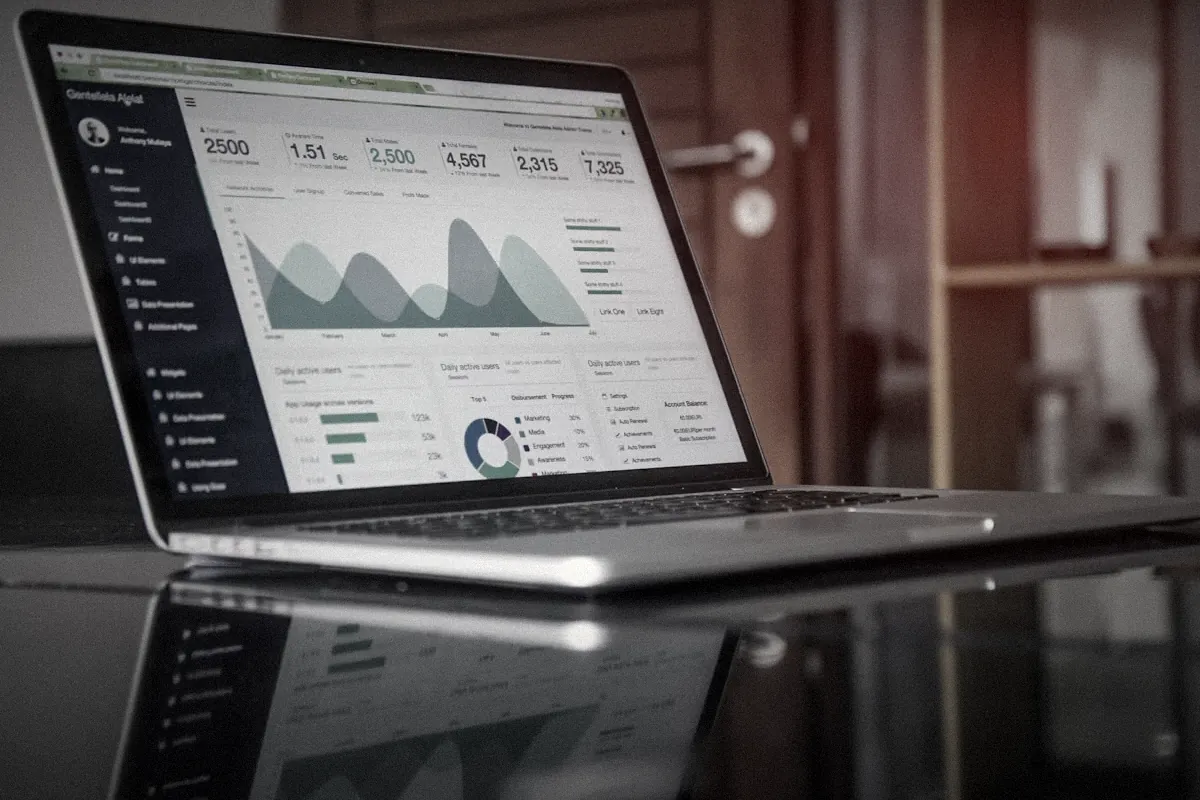
Media buying is the job of deciding where your ad money goes, buying that space at the best price, and moving the money as results come in. On social platforms, it's the difference between boosting a post and running a campaign.
When we worked on TV promos, media buying meant something very physical. Someone sat with the channel's sales team, looked at the program grid, and decided which slots to buy before the evening drama in Ramadan, how many times the promo should air, and what the brand could afford. Get it wrong and you'd paid prime-time rates to reach people who'd already changed the channel.
The job is the same today, just faster. Media buying is deciding where your ads should appear, buying that space at the best price you can, and then moving the money around as you see what works. In Egypt, for most businesses, that space is Facebook, Instagram, TikTok, Google and YouTube. Billboards on the Ring Road and TV slots still exist, but the daily work of a media buyer now happens mostly inside ad platforms. That's what our paid ads and media buying service is built around.
Here's what this covers:
- Media buying in one paragraph
- Planning versus buying
- Traditional and digital media buying
- What a media buyer actually does all day
- The numbers media buyers live by
- Media buying versus boosting a post
- Do you need a media buyer?
Media buying in one paragraph


You have a budget, a product and a goal. Media buying answers four questions: who should see the ad, where they should see it, how often, and what you're willing to pay for each result. Then it keeps answering them every few days, because the answers change. A campaign that brought WhatsApp messages at 15 EGP each last week might cost 35 EGP this week because a competitor launched an offer, or because Ramadan started. A good media buyer notices and does something about it.
Planning versus buying

People use the terms together, but they're two jobs.
Media planning is the thinking before money moves. Who is the customer? Where do they spend time? Which channels fit the goal? How should the budget be split between, say, Instagram for awareness and Google for people already searching? What should the campaign calendar look like around Eid or Black Friday?
Media buying is the execution. Setting up campaigns, choosing objectives, placing the ads, bidding, launching, monitoring and adjusting. In a big agency, these are different people. In most Egyptian businesses and smaller agencies, the same person does both, which is fine as long as someone is actually doing the planning part.
Traditional and digital media buying
In traditional media buying, you negotiate. TV channels, radio stations, newspapers and outdoor companies sell space at rates that depend on timing, audience and how much you commit to. Prices are agreed in advance, and you can't really change course mid-campaign.
In digital media buying, you bid. Platforms like Meta, TikTok and Google run an auction for every ad shown. You set a budget and a goal, the platform's system decides who sees the ad, and the price moves constantly. You can pause, change or scale a campaign within minutes.
There's also programmatic buying, where software buys display and video ad space across many websites and apps automatically. It matters for large brands, but most small and mid-size businesses in Egypt never need it.
For the rest of this article we'll focus on digital, because that's where almost every Egyptian business starts.
What a media buyer actually does all day

A typical week for a media buyer handling a local brand looks something like this:
- Setting up campaigns in Meta Ads Manager, TikTok Ads Manager or Google Ads, with the right objective for each goal.
- Making sure tracking works: the Meta Pixel and Conversions API, the TikTok Pixel, Google conversion tracking, or at least a clear way to count WhatsApp leads.
- Building audiences and choosing how wide to go. Our ad targeting guide explains how that works today.
- Testing different ads against each other: a video against a carousel, a price-led message against a benefit-led one.
- Reading results and moving budget away from weak ads and toward strong ones.
- Asking the creative team for new ads before the current ones get tired.
- Reporting what was spent, what came back, and what's next.
Notice how much of that depends on things outside the ad platform. The creative, the offer, the speed of your sales team on WhatsApp. A strong media buyer pushes on all of them, not just the settings.
The numbers media buyers live by

You don't need to memorize these, but you should recognize them in a report:
- CPM: cost per 1,000 impressions. The price of attention.
- CPC: cost per click.
- CTR: click-through rate, the share of people who clicked after seeing the ad.
- CPL or CPA: cost per lead or cost per acquisition. What each result cost you.
- ROAS: return on ad spend. Revenue from ads divided by what you spent on them.
- Frequency: how many times the average person saw your ad. When it climbs high, people get bored and costs rise.
The trap is chasing the cheap numbers at the top of the list. A campaign with a tiny CPM and lots of clicks can still lose money. The numbers that matter are the ones closest to the sale. If you want a sense of what these cost in practice, we've broken down Instagram ads cost in Egypt in detail, with Google and TikTok covered in their own guides.
Media buying versus boosting a post

The Boost button on Facebook and Instagram is the easiest way to spend money on ads. You pick a post, choose an audience, set a budget and go. Lots of Egyptian businesses run their whole ad strategy this way.
Boosting isn't useless. It can get a good post seen by more people. But it gives you fewer goal options, less control over placements, weaker testing and patchier tracking than running a campaign in Ads Manager. It's a bit like buying a TV slot by asking the channel to "just put it somewhere good."
Media buying starts from the business goal, picks the right campaign objective, tests properly and measures what matters. The difference often shows up as a lower cost per real customer, not just more likes.
Do you need a media buyer?
If you spend a few hundred pounds a month boosting posts, you probably don't need one yet. Learn the basics yourself.
Once your ad spend climbs into the five figures each month, or ads are a big part of how you get customers, it usually pays to have someone who does this properly. That could be a trained person on your team, a freelancer, or an agency. Each has trade-offs in cost, depth and accountability, which we lay out in media buying agency vs in-house.
At HOK we come at media buying from the production side as well, because the ad itself is half the result. If you'd like a team that plans, makes and buys the ads together, take a look at our paid ads service or get in touch.
What does a media buyer do?
A media buyer plans where ads should run, sets up and buys the placements, tracks the results and shifts budget toward what's working. On digital platforms that's mostly done inside Meta Ads Manager, TikTok Ads Manager and Google Ads.
What's the difference between media planning and media buying?
Planning decides the strategy: who to reach, on which channels, with how much money. Buying is the execution: placing the ads, negotiating or bidding, and optimizing them while they run.
Is boosting a post the same as media buying?
Not really. Boosting is a shortcut with limited options. Media buying uses the full ad platforms with proper goals, targeting, tracking and testing.
How much budget do I need before media buying makes sense?
Even a modest monthly spend benefits from proper setup. Once you're spending more than about 10,000 EGP a month on ads, careful buying usually saves more than it costs.
Need this thinking for your brand?
Get a quote